The Squirrel Burger Story: Where Agile's Weirdest Lesson Actually Comes From
The Squirrel Burger Story: Where Agile's Weirdest Lesson Actually Comes From
The squirrel was missing, and the hamburger tasted funny.
That single line, written by Ken Schwaber in the comments of his own blog, is the closest thing to an origin story for one of the most-told tales in software. If you have sat through enough Scrum trainings, you have heard some version of it. Few people know where it actually comes from, or what it is really about. Here is the full story first. Then the truth behind it.
1. The Burger Joint
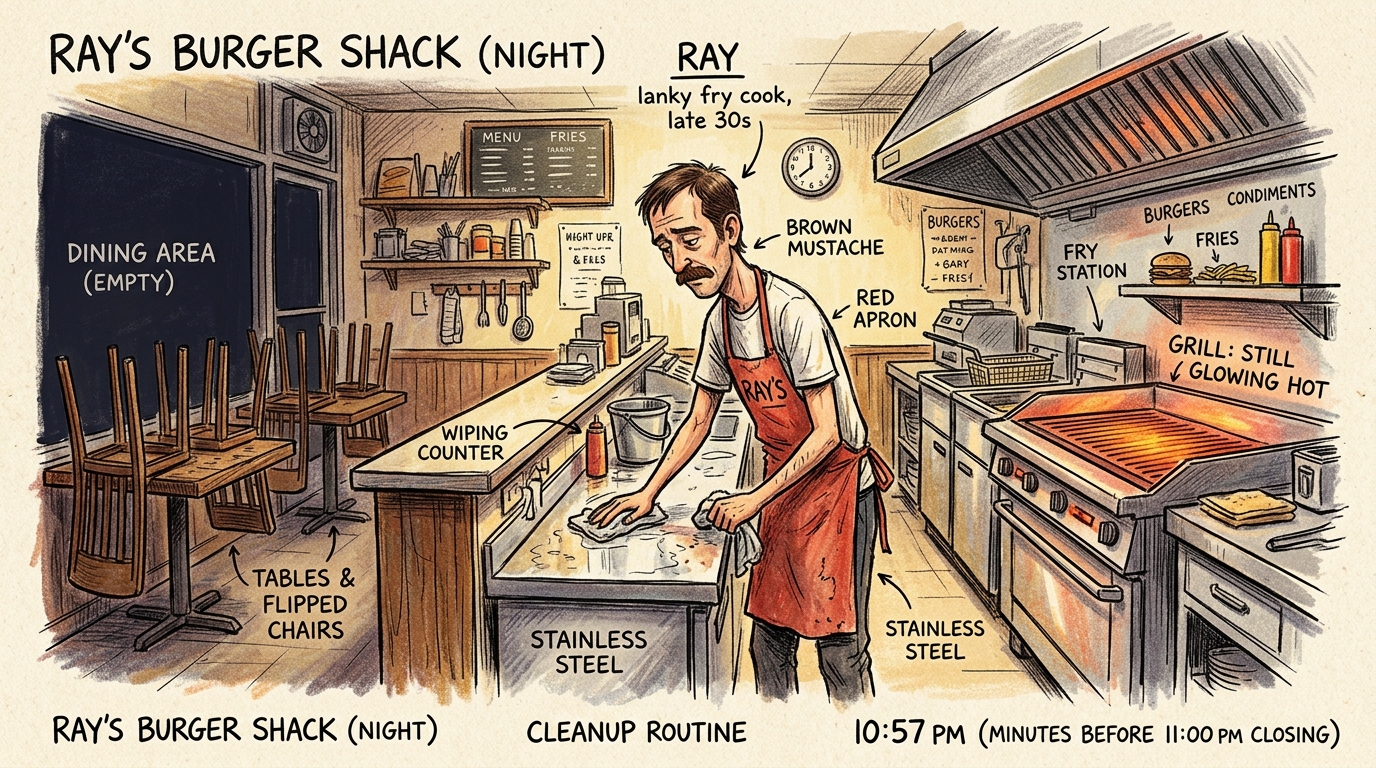
Ray is alone behind the counter of a small burger joint, minutes from closing. He wipes it down. The chairs are up on the tables. The grill is still hot.
2. The Order
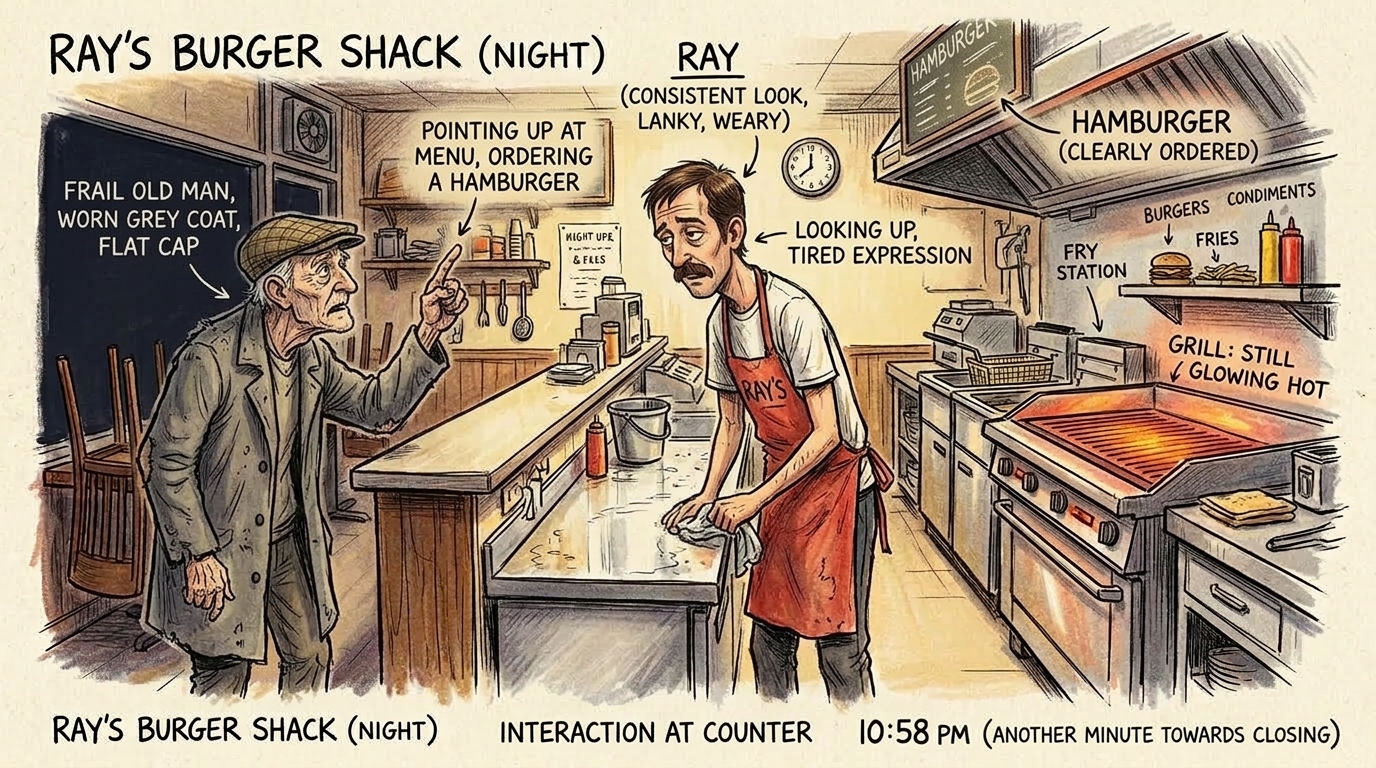
An old man walks in. He points at the menu and orders a hamburger. Simple enough, except for one problem. Ray is out of beef.
3. The Dilemma
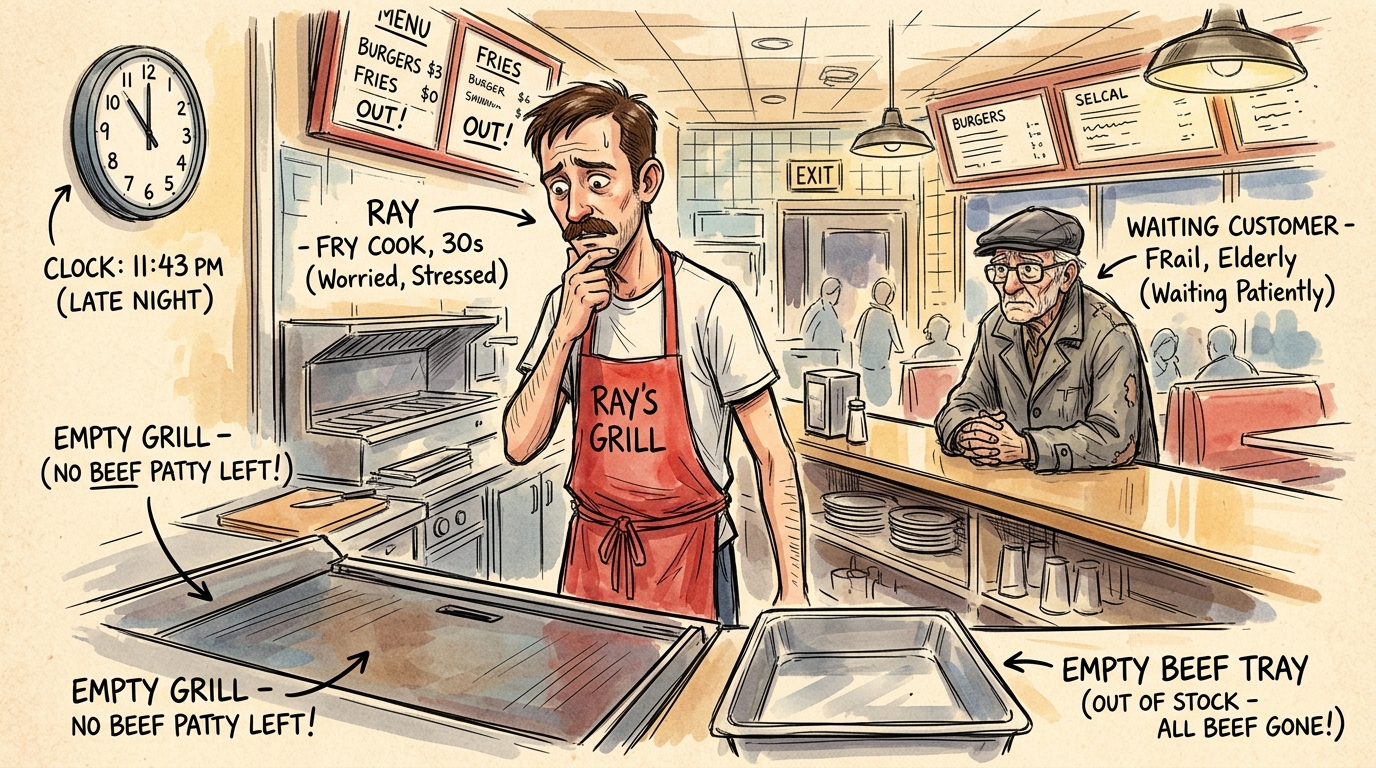
Turning the old man away means losing the sale and looking bad. Saying no to a customer standing right there, with the register already open, is hard. Ray stares at the empty tray. Then he remembers something.
4. The Missing Squirrel
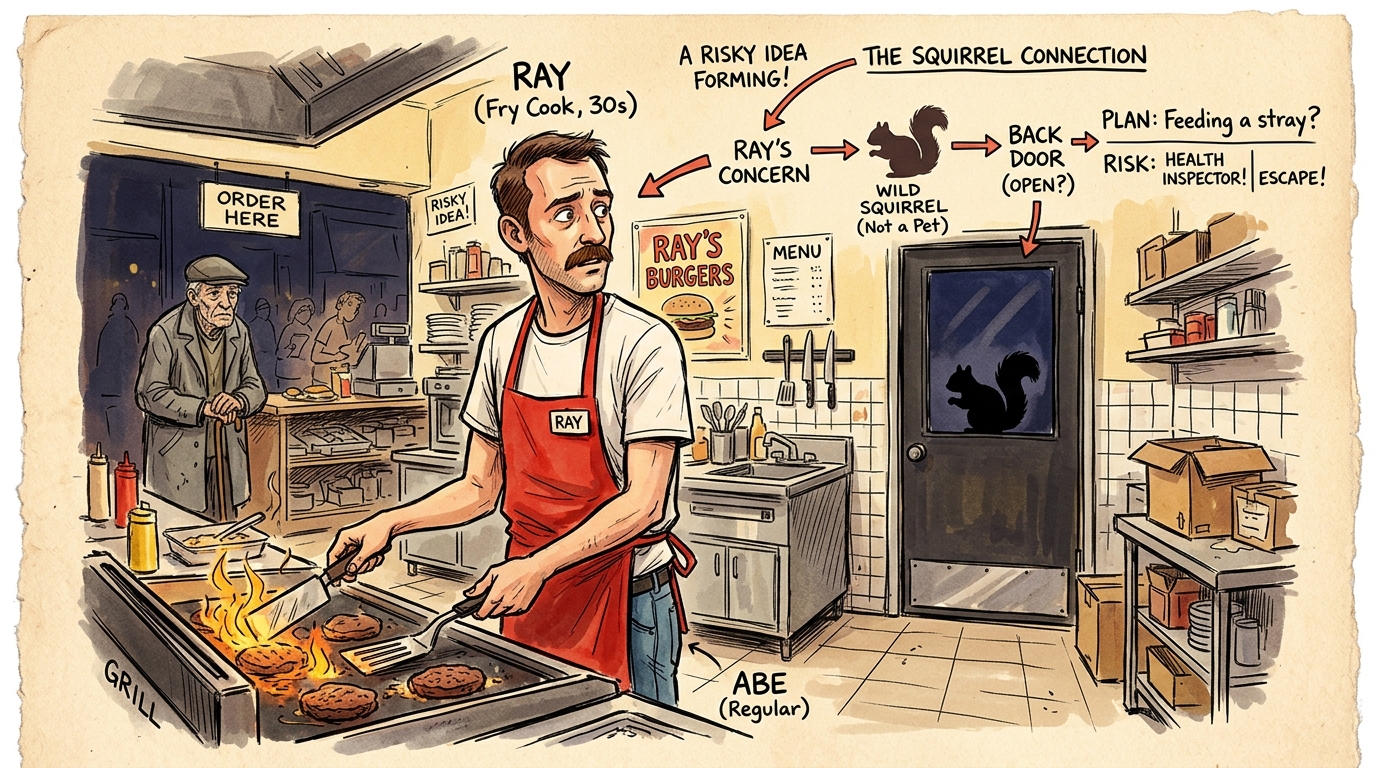
A stray squirrel has raided the joint's trash cans out back for months. Ray has shooed it off a hundred times. Tonight it has not shown up. It has been gone since the morning. The grill is still hot, and Ray tells himself he has no other choice.
5. The Squirrel from the Trash
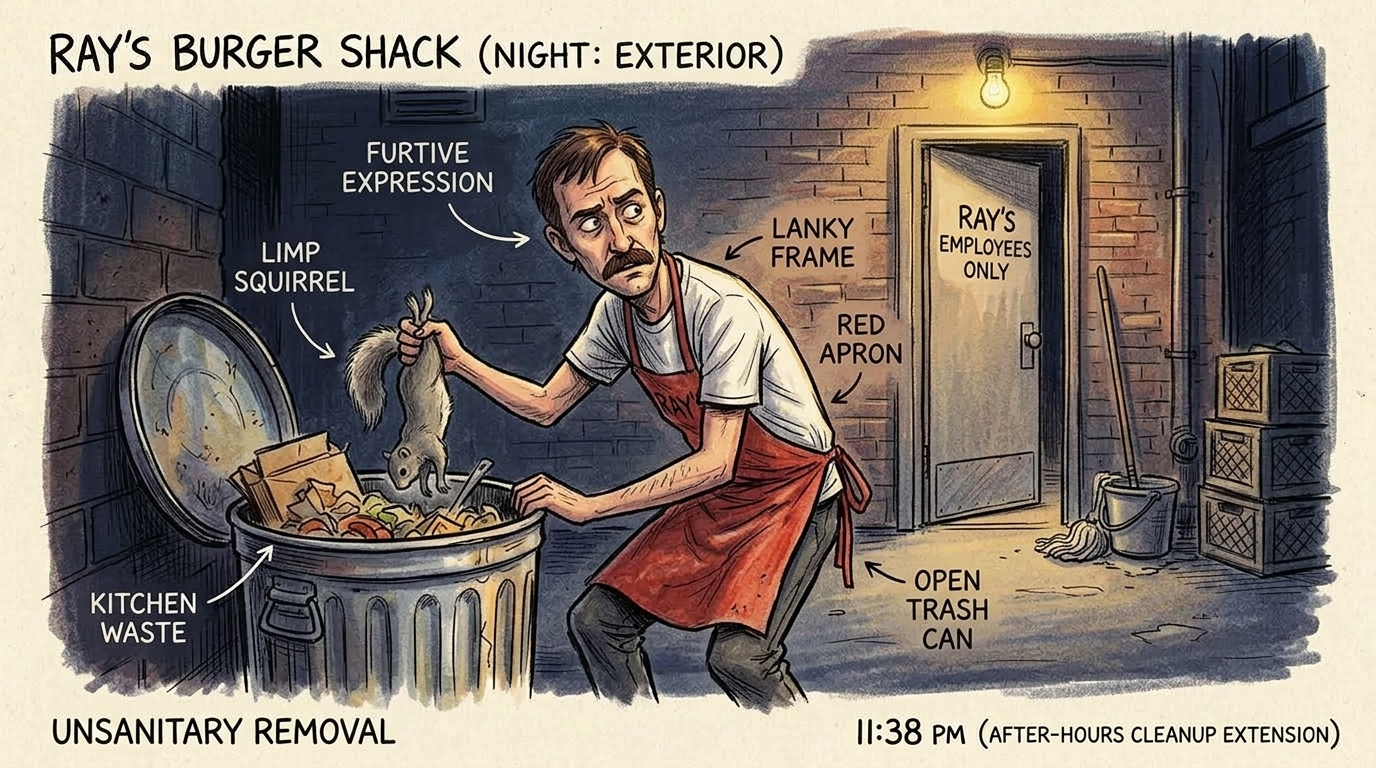
Behind the shop, Ray finds it. The missing squirrel, dead in the trash, half buried under the night's scraps. He picks it up and carries it to the grill. He knows it is not beef.
6. The Burger
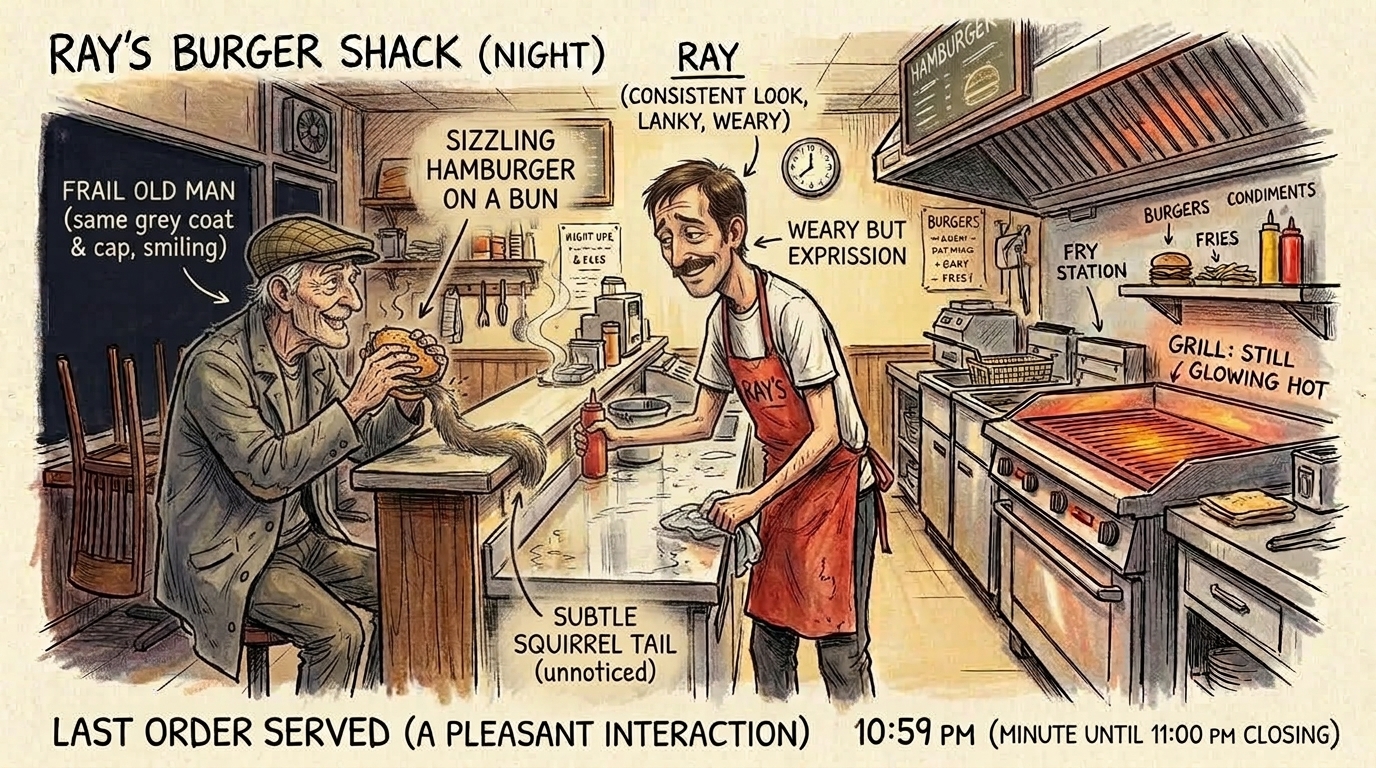
Ray dresses it up as a hamburger and serves it. The old man takes a bite. It tastes funny. But he has already been served, and Ray has already been paid.
7. The Man Falls Down
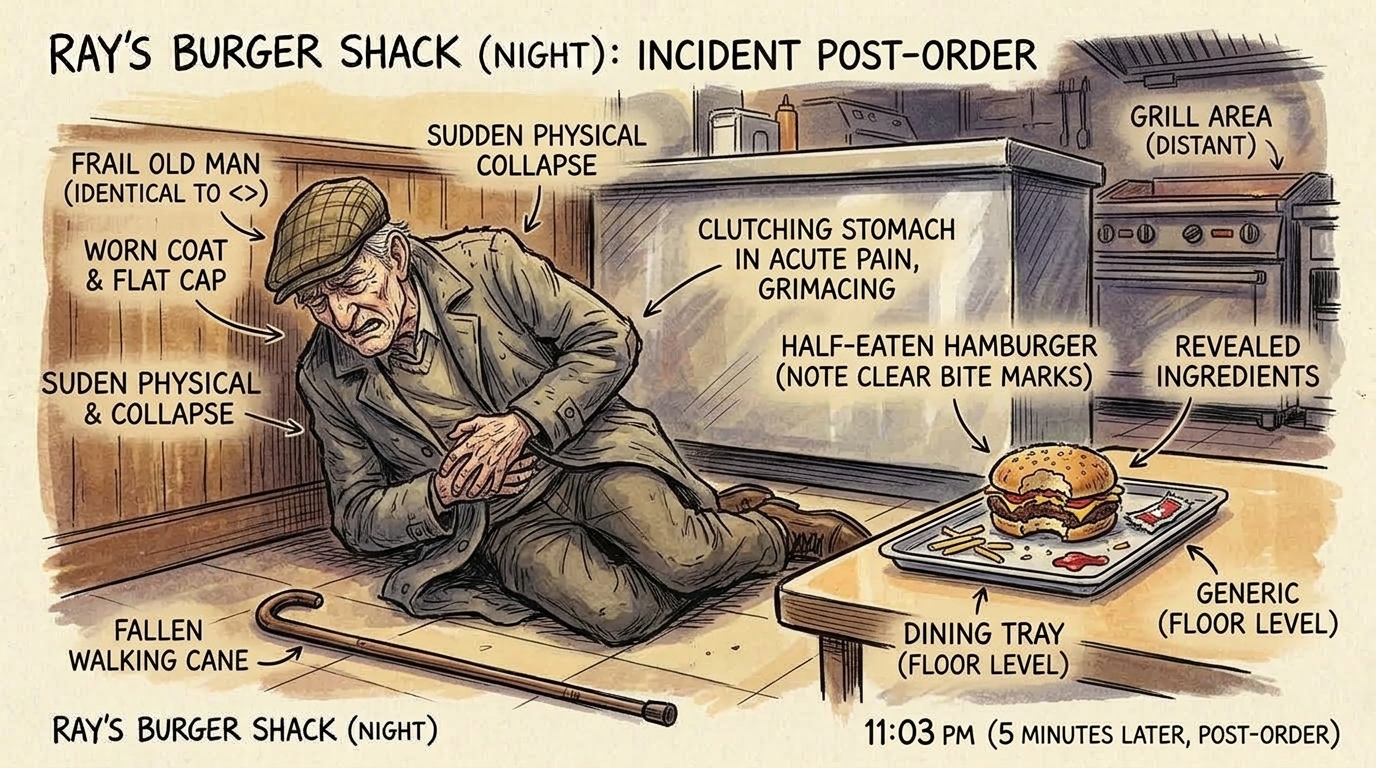
The old man does not make it far. A few blocks from the joint he stops, doubles over, and falls to the ground. The squirrel was never food.
8. The Consequence
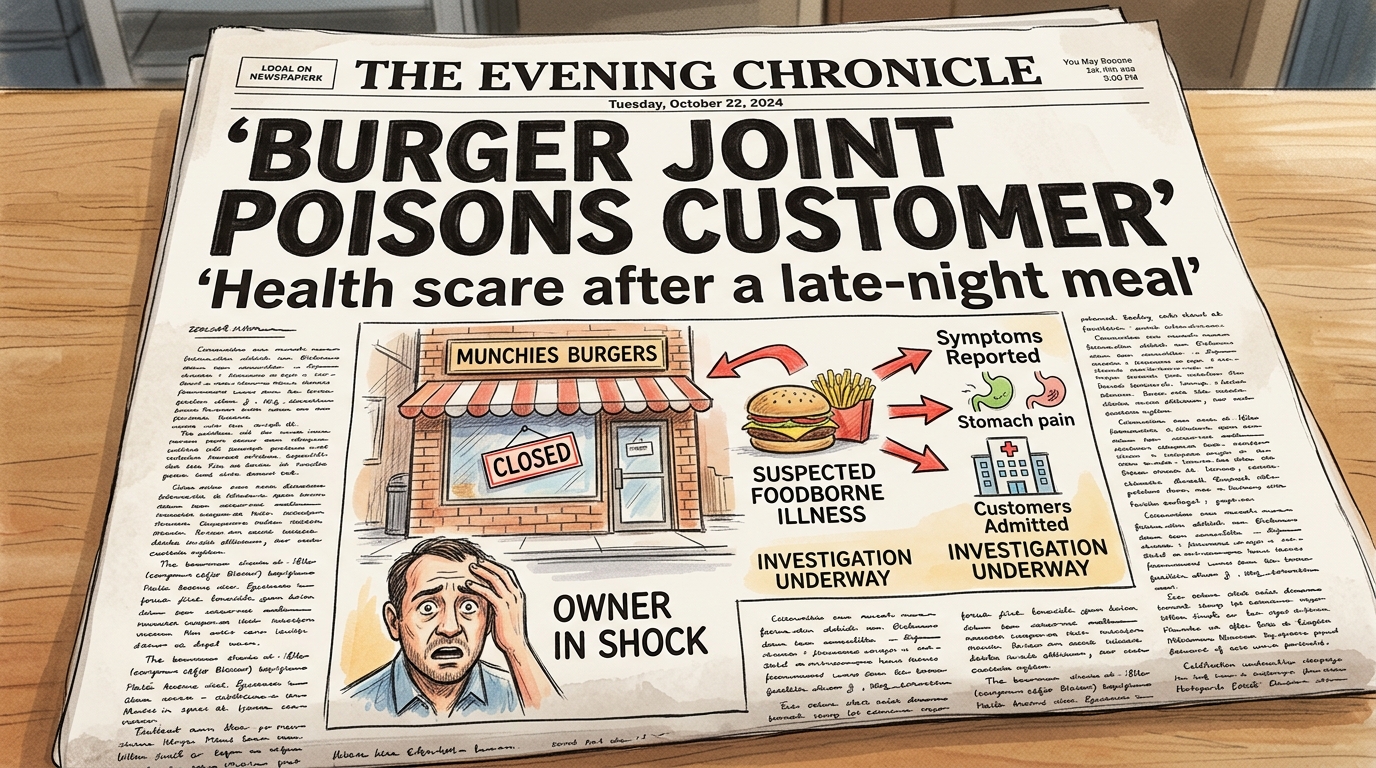
The old man wakes up in a hospital bed. Food poisoning. The police come asking questions. The trail leads straight back to Ray, and to the burger joint. By morning it is on the front page of the local paper, and the story is no longer about one late-night burger. It is about the name above the door.
9. The Brand Gets Sued
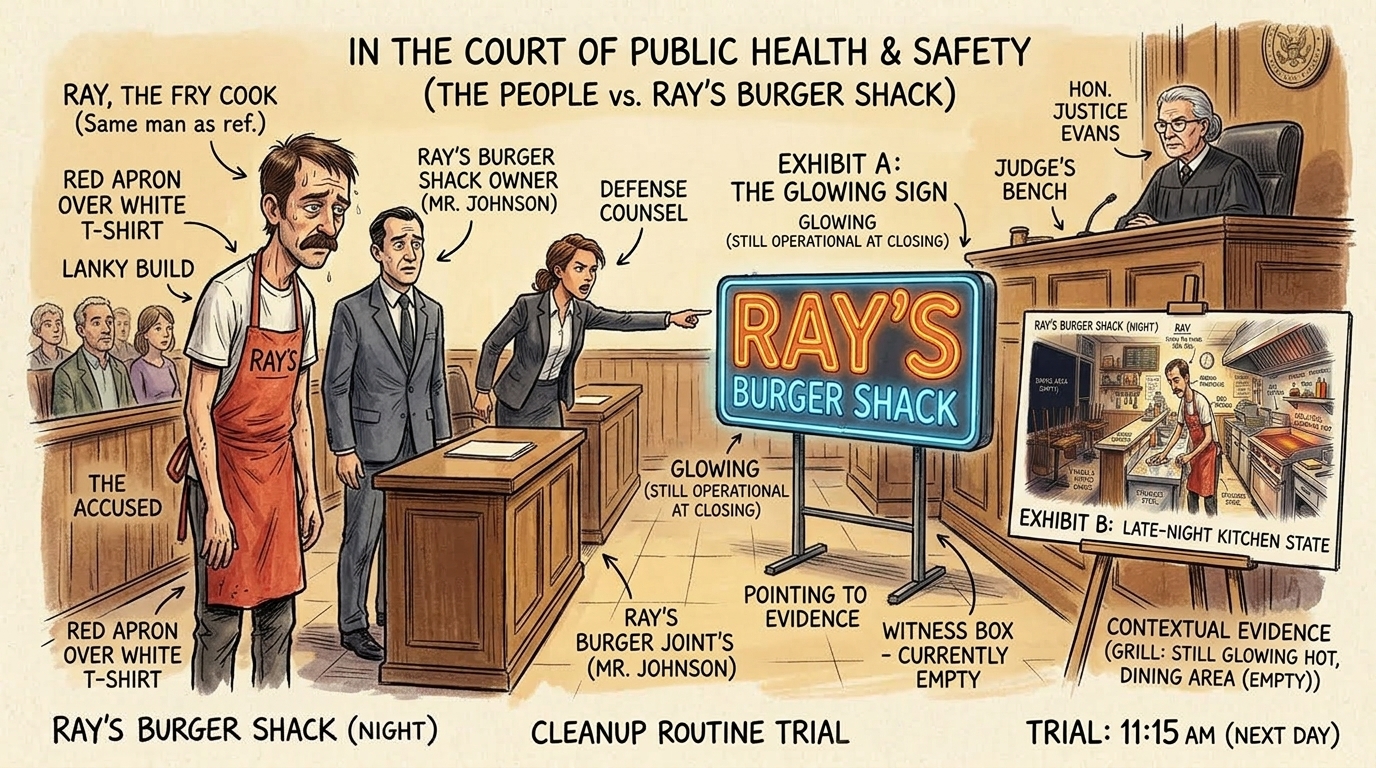
The old man sues. Not just Ray. The whole brand. The name above the door. Ray cut the corner, but the company eats the risk too. One bad burger, and the sign everyone trusted ends up in court.
10. The Lesson
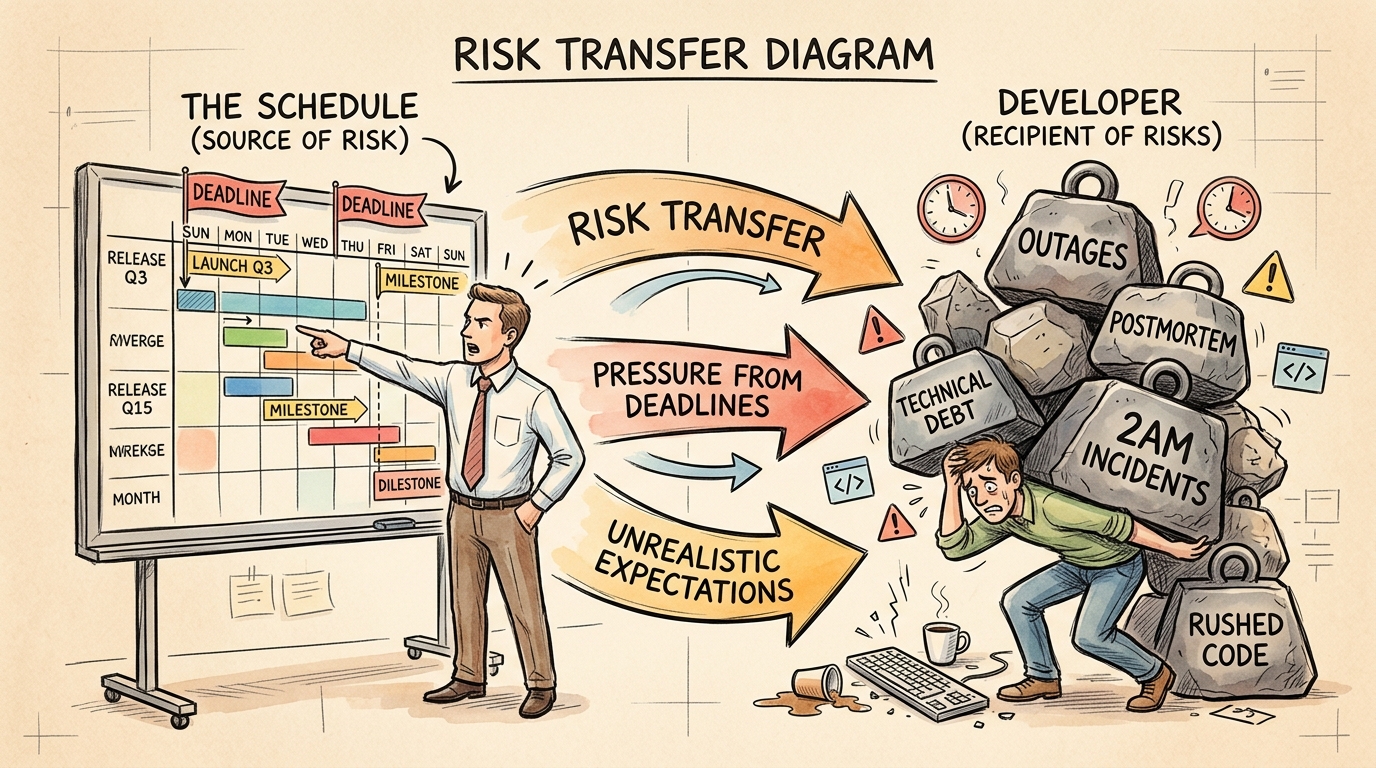
The obvious takeaway is "don't cut quality." That is true but shallow. The deeper point is who eats the risk when you do, and how many people it catches.
Nobody in this story is a villain. Ray wants to serve the customer and not lose the sale. The old man just wants a meal. The owner built the place to feed people. Three people, three good intentions, and all three still lose. The old man ends up in a hospital bed. Ray loses his job, and maybe more. The owner loses the name above the door. A squirrel burger does not stay contained.
That is the part most retellings skip. Cutting quality is not what a lazy worker does. It is what happens when a deadline is set below what good work actually needs, and nobody in the room is allowed to say it out loud.
Here is the concrete version. A manager asks for a feature in two weeks. The honest estimate is six. You know it. The manager does not, or does not want to. So the tests go. The edge cases go. The cleanup you promised yourself later never comes. You ship, and you call it done. You just served a squirrel burger. The bill arrives later, in the middle of the night: a production incident, a page at 2 a.m., a postmortem with your name on the slide.
Scrum is built around this exact idea. A fixed-length sprint does not make work fit. It makes the mismatch visible early, while you still have time to say no instead of serving the squirrel. The deadline is not the problem. The silence around it is.
11. Where the Story Really Comes From
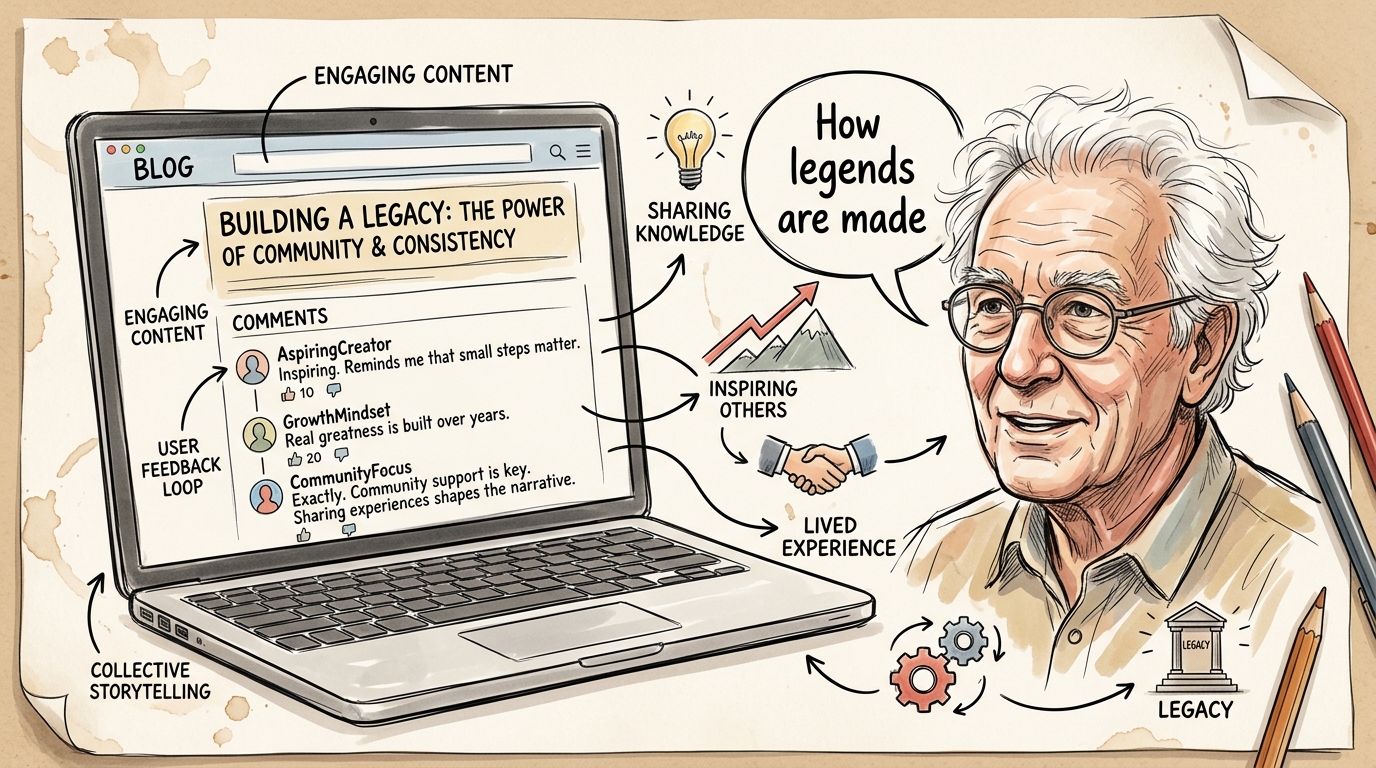
The story traces back to one person: Ken Schwaber, co-creator of Scrum and co-author of the Agile Manifesto. He tells it in his teaching. It surfaces on his blog, "Telling It Like It Is," which carries the warning that it is "edgy, full of unproven opinions, sometimes unsubstantiated."
That warning matters. In 2015, a commenter named Fred asked Schwaber directly whether the story was real. Did Fatburger actually serve a squirrel? Was the employee Larry Ellison?
Schwaber's answers are perfect. On Ellison: "I cannot in any circumstance imagine Larry working for Fatburger!" On whether the squirrel burger really happened: "The squirrel was missing and the 'hamburger' tasted funny. How legends are made."
That is the origin. Not a documented incident. A teaching story, told by the person who built Scrum, that grew legs as people repeated it. The Fatburger detail and the Larry Ellison detail are flourishes added by retellers. Schwaber himself calls it a legend.
12. My Egyptian Version: The Liver Sandwich
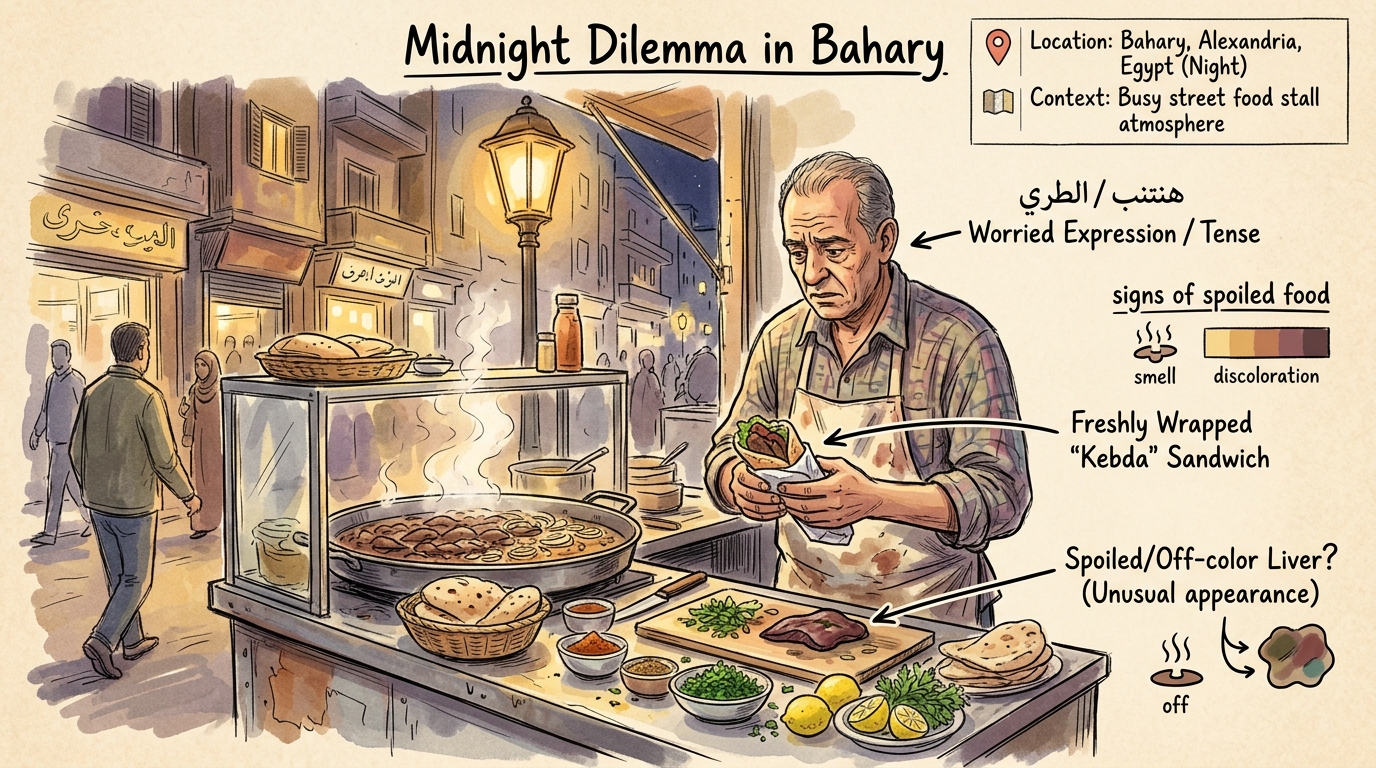
This story translates. I have already told an Egyptian version of it, set in a liver sandwich shop in Bahary, Alexandria.
In that version, Ibrahim is about to close for the night when an old man comes in with a few coins and asks for a liver sandwich. Ibrahim wants to help but cannot give away the shop's stock. So he pulls out a spoiled piece of liver he was about to throw away, seasons it, and serves it. The old man is grateful. A few days later the police arrive. The old man nearly died of food poisoning.
Same skeleton, different kitchen. Same lesson: a developer who cuts quality to hit a deadline has just handed their manager a spoiled liver sandwich. The risk lands somewhere. Either the system crashes, or it blows up in front of customers. Ibrahim and the manager both end up unhappy.
13. What a Skeptic Would Say
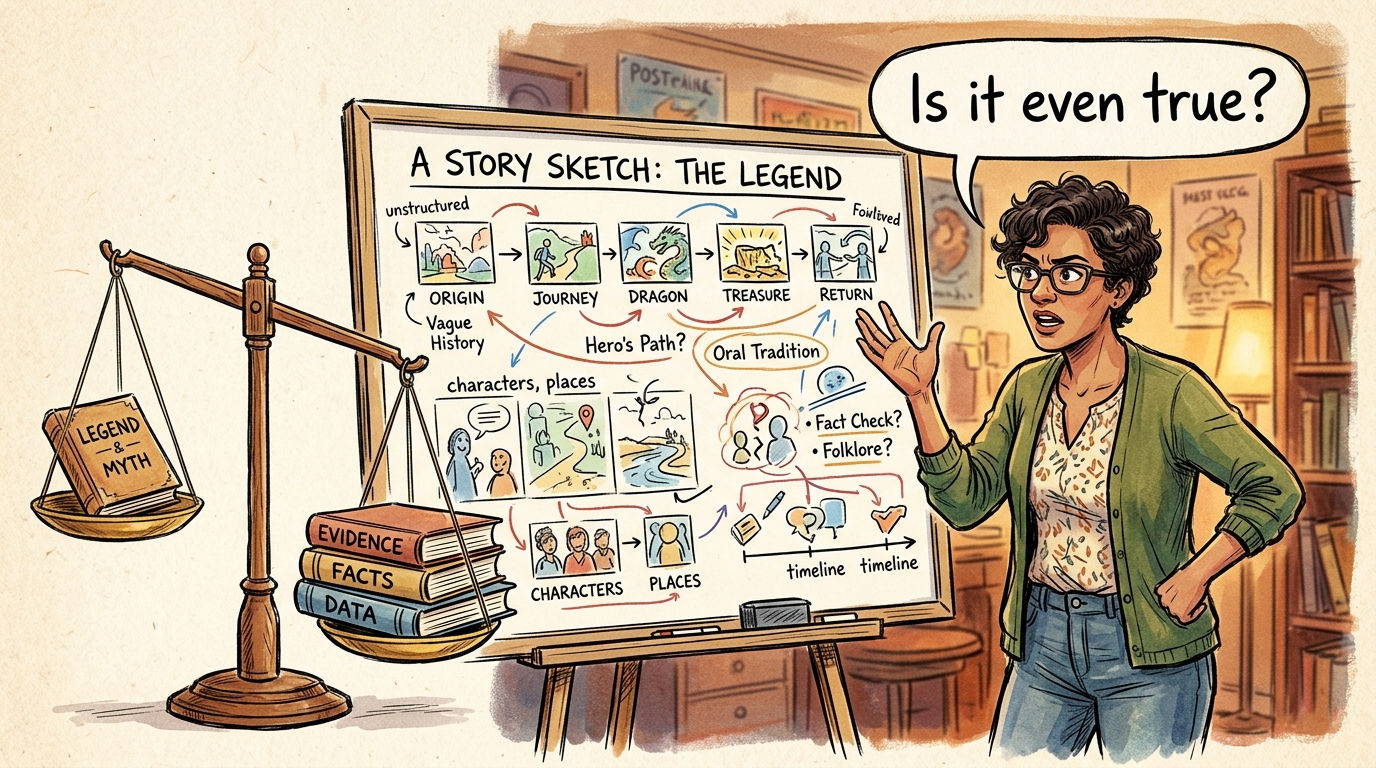
Here is the strongest objection: if the story is a legend, why trust it? A made-up story about a squirrel is not evidence that cutting quality backfires. Anyone can invent a scary anecdote.
Fair. But the story was never meant to be evidence. It is a mnemonic. Schwaber said so himself, deadpan, in a blog comment. The squirrel burger does the job that every good teaching story does. It compresses a real, repeatable failure into something you remember at the exact moment you are about to repeat it.
The legend surviving two decades of retelling, including my own Egyptian rewrite, is the point. The details changed. The risk did not.
14. The So-What
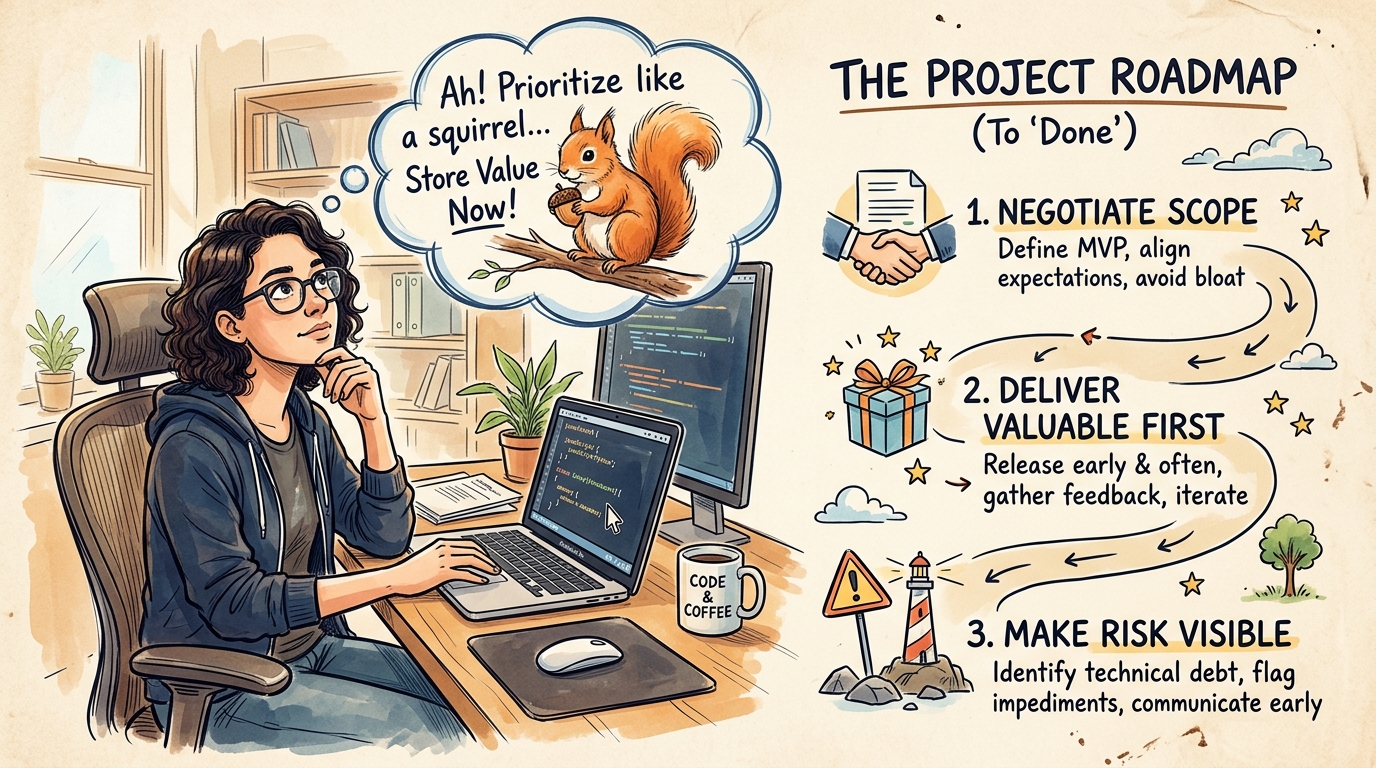
The next time a deadline is impossible, remember the missing squirrel.
Then do three things before you touch the code.
- Negotiate scope, never quality. Trade features for time. Never trade tests for time. "I can ship the login flow in two weeks, or all five screens in six. Tell me which one you actually need."
- Deliver the most valuable slice first. A working vertical slice beats a half-finished everything. Half a feature that works is worth more than a whole feature that mostly works.
- Make the risk visible while it is still cheap. Put the gap on the board: "this is four weeks of work and we have two." An uncomfortable conversation today costs less than a postmortem later.
The squirrel burger is not really about squirrels, and not really about burgers. It is about who eats the risk when quality is the thing you sacrifice. This time the customer paid, and the business paid, and Ray paid. Nobody meant for it to end that way. That is exactly why it does.
References
- Ken Schwaber, "About", Ken Schwaber's Blog: Telling It Like It Is, kenschwaber.wordpress.com. The origin of the story, plus the 2015 comment thread where Schwaber calls it a legend: "How legends are made."
- Scrum.org Forum, "Quality over Quantity - Squirrel Burgers". The community discussion of the story and its lesson.
- Blessin, "Delivering Squirrel Burgers: An Agile Anecdote using DALL·E", Medium. A modern retelling of the story.
- Hossam Fares, "What's the Connection Between Software Development and an Alexandrian Liver Sandwich?", hfares.com, September 2025. The Egyptian version of the same story.