The Phoenix Project - The Importance of Engineering System Development Processes
The Phoenix Project - The Importance of Engineering System Development Processes
Meet the Hero
This is Bill Palmer, a skilled IT manager, but all his work was just putting out fires. His whole day was phone calls, urgent emails, and endless problems. Bill was like someone trying to stop a sinking ship by plugging holes with his hands. He was drowning in daily issues, seeing no hope that things would get better—unaware that his life was about to completely change.
The Current Situation of Parts Unlimited
Bill works at Parts Unlimited, a big name in the auto parts industry, but inside it was like an old car with smoke coming out of the engine. The company was losing in the market, competitors were eating it alive, and all their hopes rested on one project called Phoenix.
The Phoenix Project
The "Phoenix Project" is a massive IT initiative designed to transform Parts Unlimited’s online presence and make it stronger in the market to compete better.
It was considered essential to restoring profitability and closing the gap with competitors.
Its main goal was to tightly integrate the company’s retail and e-commerce channels, enabling customers to buy products from anywhere—whether online or in stores.
But the Phoenix Project, which the company was betting on to save it, was drowning in delays, problems, and escalating costs.
The Turning Point
One day, Bill got a call from HR. His heart sank—this wasn’t normal. What happened was a huge shock: both his boss and his boss’s boss were fired. Bill thought HR was about to tell him he was fired too, but instead they congratulated him: he was promoted to replace his boss as VP of IT Operations!
It was a promotion he neither wanted nor was ready for, putting him right in the line of fire in a collapsing company.
Bill Meets the CEO and Erik
The next day, Bill found himself in front of Steve, the company’s CEO, whose face showed stress and worry. Steve explained that the Phoenix Project was the company’s only lifeline, and its failure meant the end of Parts Unlimited.
During the conversation, Erik Reid, a new board member with deep experience in manufacturing, appeared. He listened carefully, watching every detail. Erik was mysterious, but his words carried depth, as if he saw things nobody else could.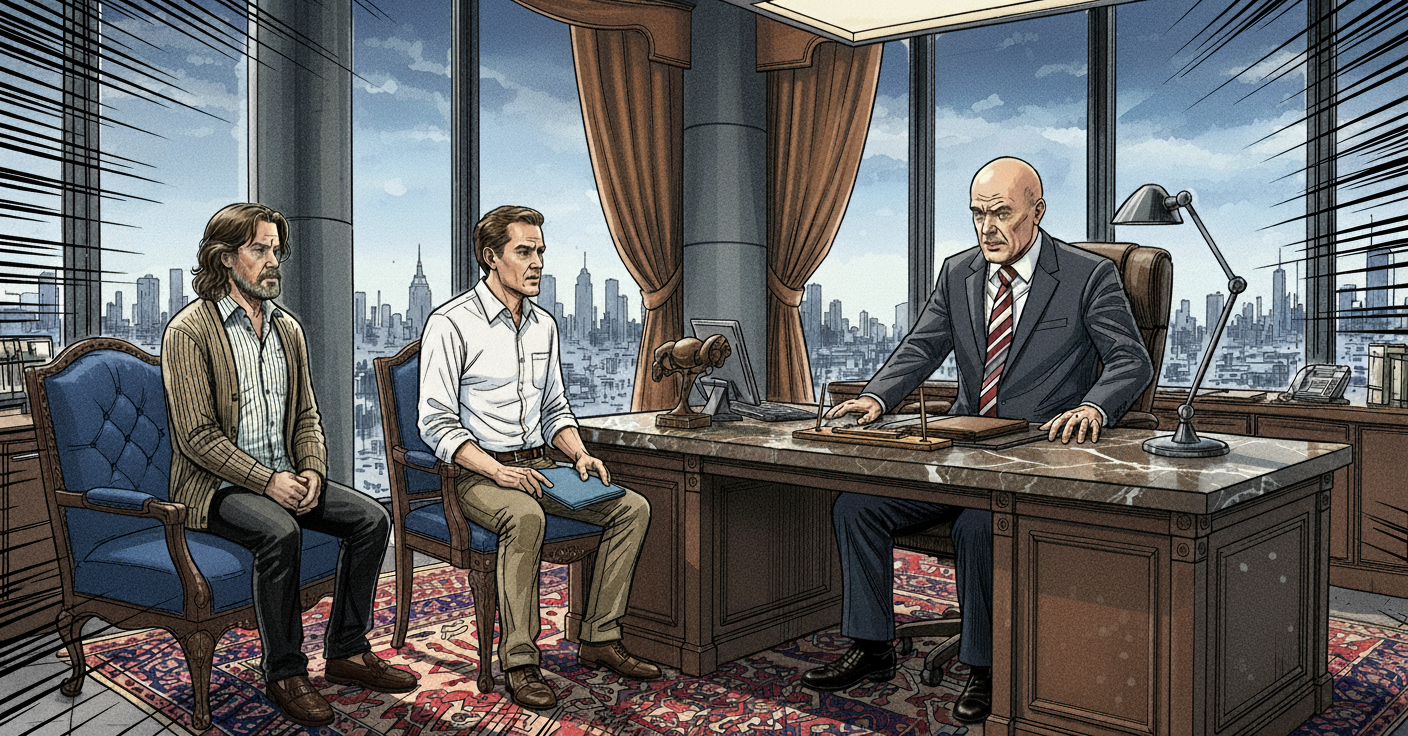
Erik Changes Bill’s Perspective
Erik began showing Bill that IT had much to learn from manufacturing—requiring prevention and proper management. He challenged the common belief that since IT’s work is invisible, you just need to sprinkle magic dust on computers to fix things.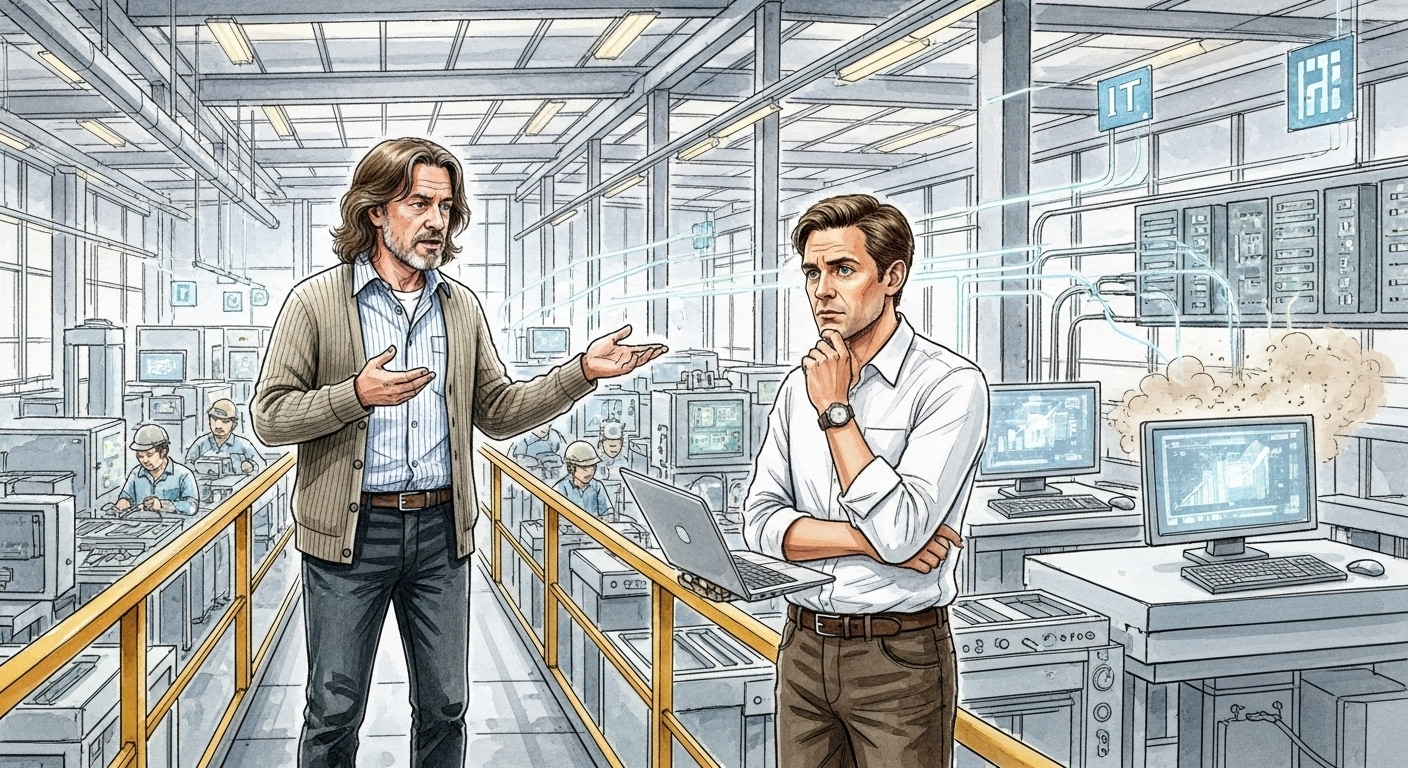
Bill Digs Deeper into IT Dysfunction
After realizing the scale of the disaster, Bill started investigating what was happening inside IT. He discovered the problems weren’t just minor breakdowns—it was total chaos.
Everyone was working in silos, with a “not my problem” attitude, following orders blindly. There was no coordination, no clear work plan. IT was like a factory running without quality control—lots of output but poor efficiency.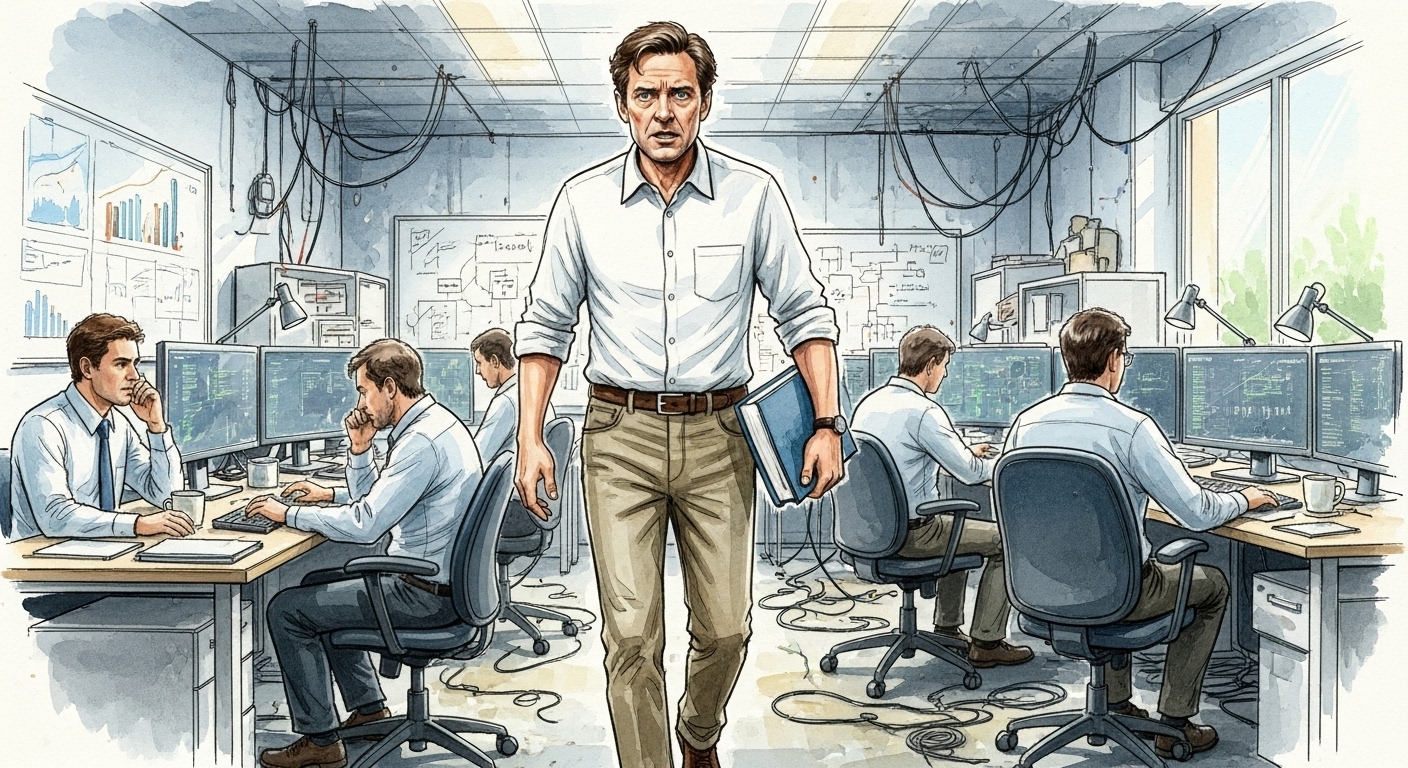
Bill Meets Brent and Realizes He Is the Bottleneck
On his journey, Bill met Brent, a brilliant engineer and leader of the Phoenix development team. Brent understood every system in the company and had years of expertise. Whenever there was a tough issue, business people went straight to him.
But Brent was overworked, carrying the entire load himself. His knowledge wasn’t documented, making him the single point of dependency—the bottleneck that everything got stuck behind. Bill realized the problem wasn’t Brent, but the system that made him the only magic fix.
Bill Meets Wes and Patty and Forms the Review Committee
Bill tried to bring order to the chaos. He met Wes, head of data centers, who was skilled but pessimistic, and Patty, head of technical support, who was highly organized and rule-driven. Despite their differences, Bill convinced them they needed to work together.
They formed a review committee and set a policy: no system changes without review and approval. It was the first step to regaining control—a tough beginning, but necessary.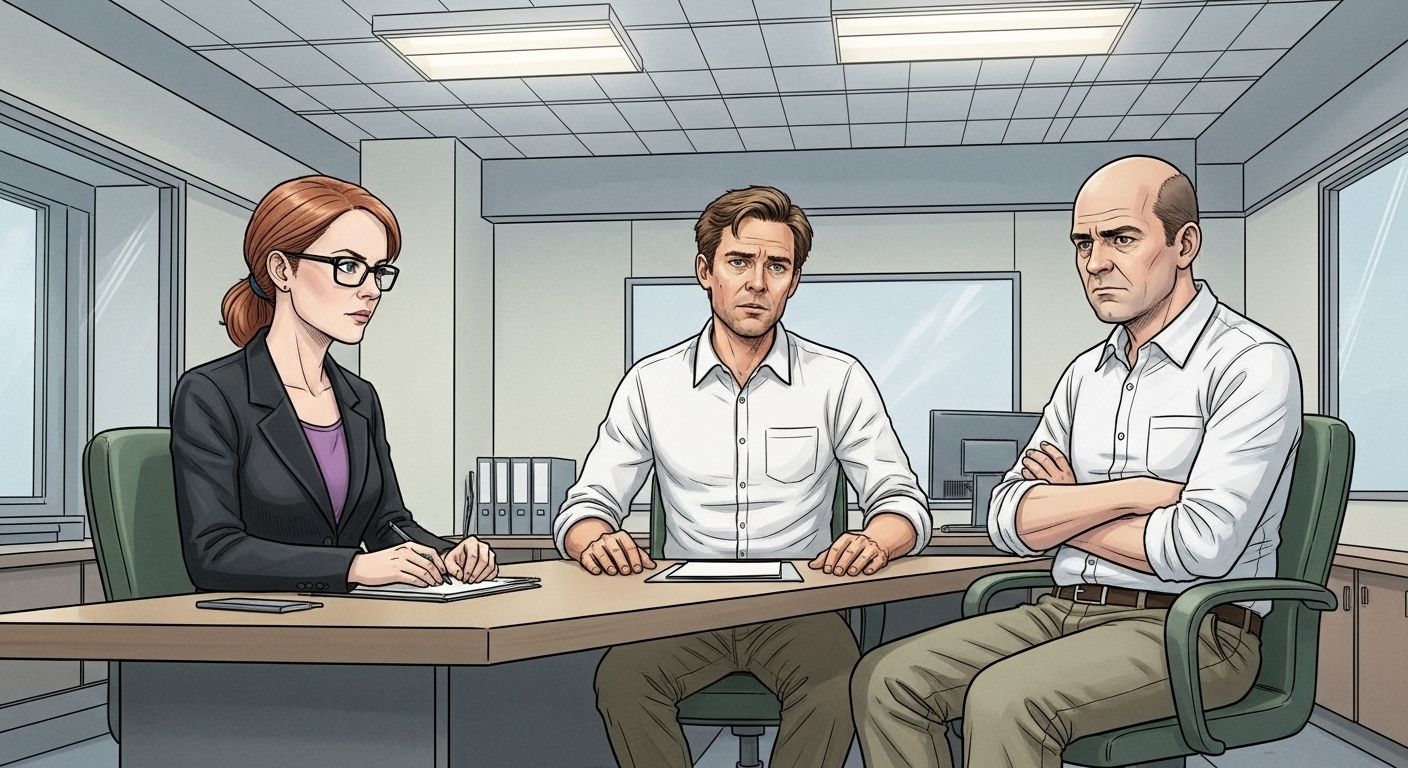
Bill Faces Unbearable Pressure After Three Incidents
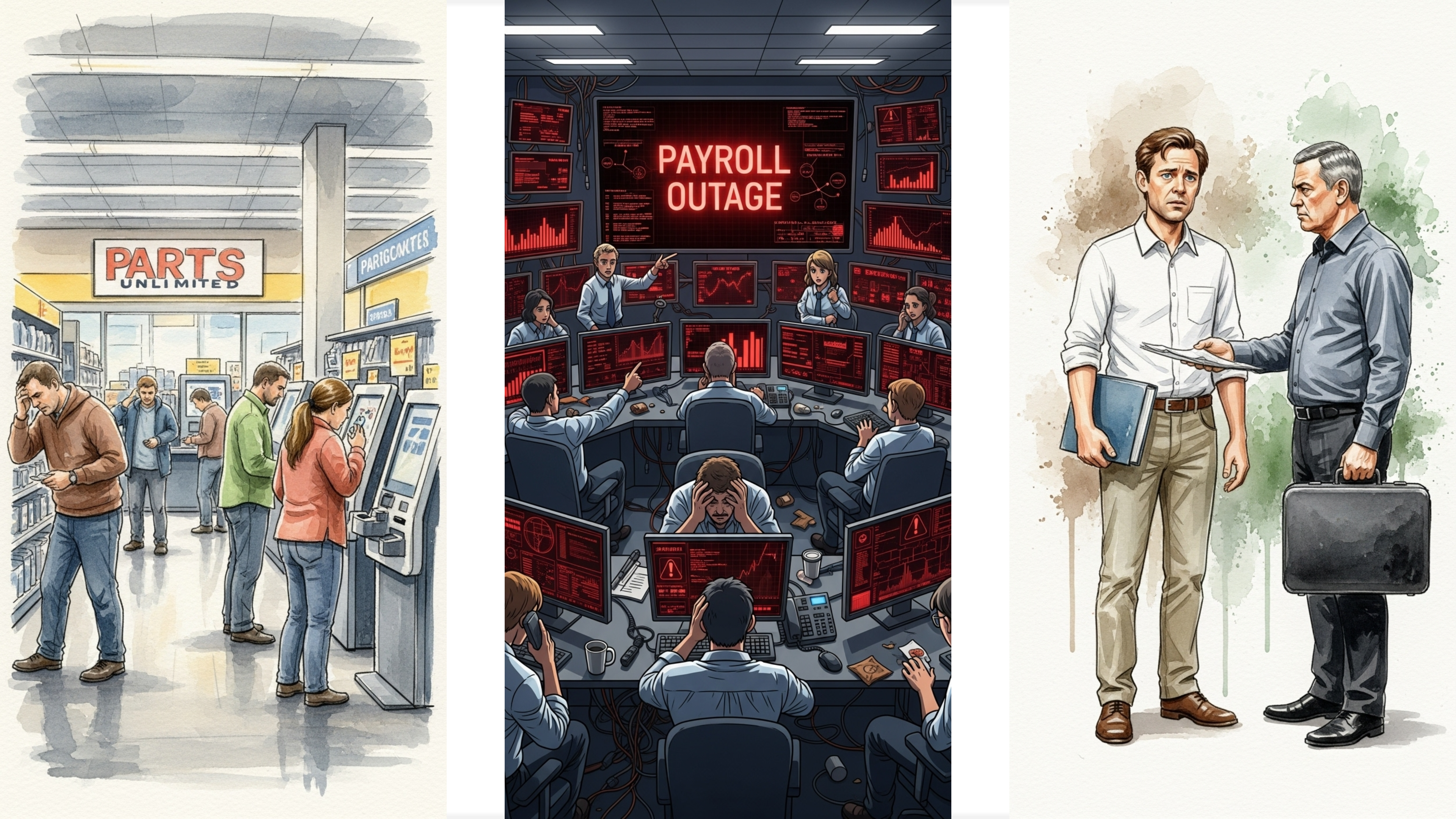
Pressure on Bill skyrocketed after three major incidents:
- First, a small payroll issue was patched directly by Brent after Steve bypassed Bill—causing a massive payroll outage and delayed salaries.
- Second, Steve pushed for launching Phoenix prematurely, ignoring Bill’s objections about quality and testing. The launch caused a major outage across all retail stores, preventing customers from completing purchases.
- Finally, Wes’s security report revealed critical vulnerabilities and regulatory requirements that had to be fixed immediately—or risk shutting down the business.
A Heated Phone Call Between Bill and the CEO
Bill couldn’t take it anymore. He realized many IT problems were caused by bad decisions from the top. He called Steve and explained that bypassing him created chaos and undermined his authority. Steve dismissed it as logical and effective.
Furious, Bill told him: if you think you know best and want to run things directly, then you don’t need me—you’ll get my resignation tomorrow.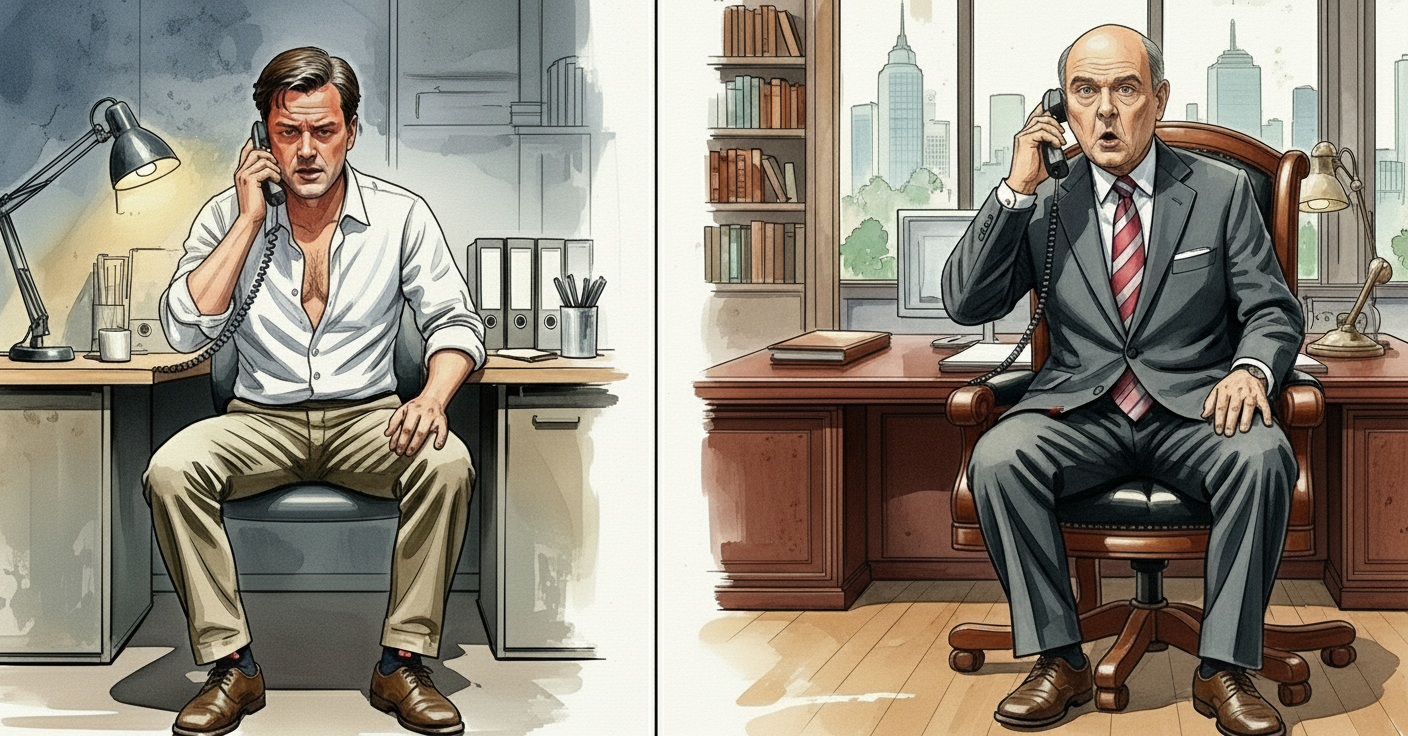
Erik Meets Bill and Convinces Him to Stay
Erik heard what happened and met Bill the next day. Instead of blaming him, Erik reassured him: the problem wasn’t Bill or his team, but the way work was being managed. He introduced the concept of The Three Ways, and told Bill he was the only one who could save the company.
It was a turning point—Bill regained hope and decided to stay.
Bill Starts Implementing The Three Ways
Bill returned with a new mindset. He began applying The Three Ways he learned from Erik:
- First, improving the relationship between business and IT by organizing work on a board with three columns: To Do, In Progress, and Done—breaking work into the smallest tasks possible and focusing on one thing at a time to increase speed and clarity.
- Second, speeding up feedback loops, just like stopping a production line when something goes wrong. Deployments now paused if artifacts were missing or tests failed, with dashboards showing real-time system health.
- Finally, building a culture of experimentation, learning, and continuous improvement—accepting calculated risks instead of blindly executing orders. This freed Brent to finally focus on Phoenix without constant firefighting.

Gradual Improvements and Culture Shift
Step by step, things improved. The team that was drowning in firefighting began to take control. They held quick reviews after each problem, learning from mistakes and fixing them early. The blame culture faded, replaced with collaboration and continuous improvement.
Relationships evolved: Wes, once pessimistic, became Bill’s strong ally. Sarah, who saw IT as a roadblock, began to see them as true partners. Even Steve, the CEO, started trusting Bill’s judgment. The whole company began to change for the better.
The Climax and Successful Relaunch
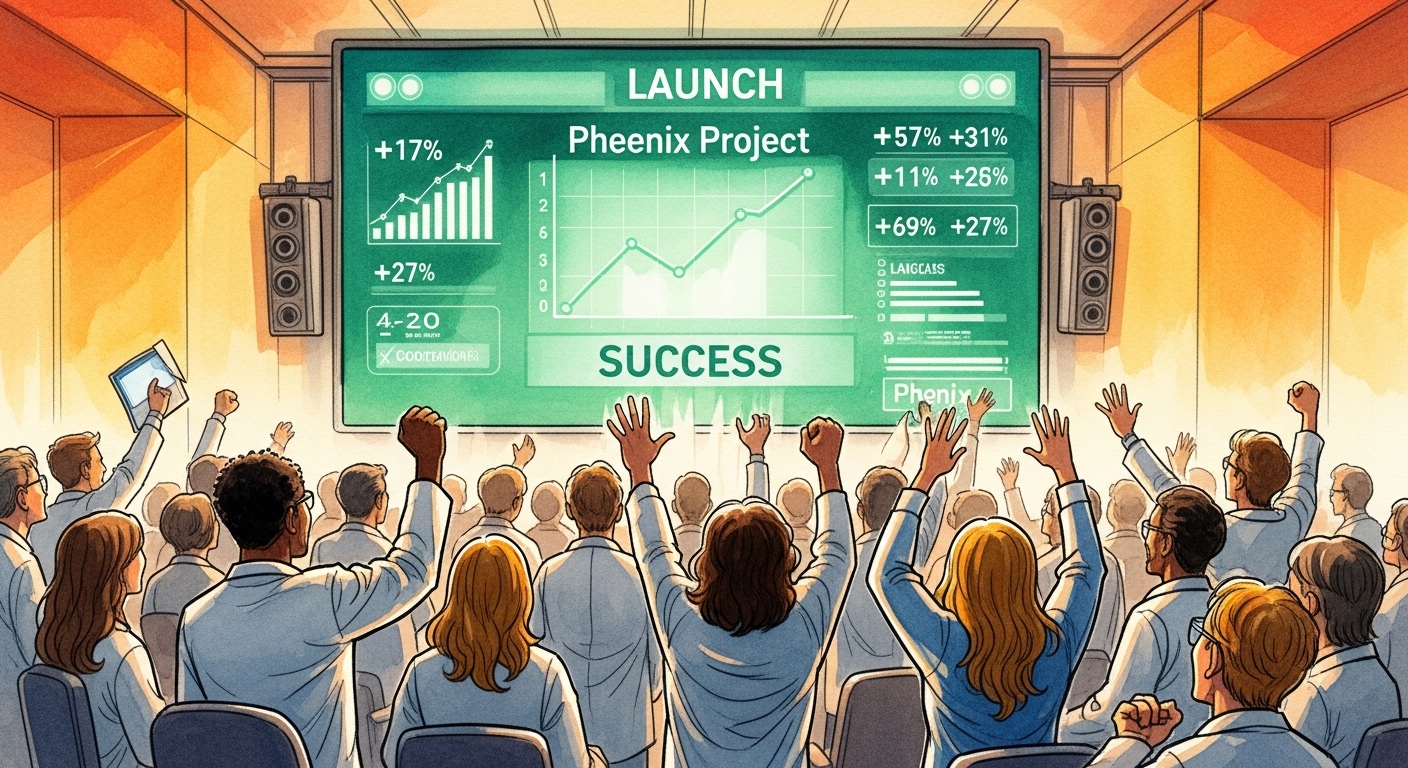
Finally, the big moment came. The Phoenix Project—once a nightmare—was launched successfully, without issues.
It was a huge win, not just for IT but for the entire company. Parts Unlimited regained its place in the market and became competitive again.
Bill, once a hesitant manager drowning in problems, became a confident and respected leader. He didn’t just transform his department—he transformed the entire company culture.